



Fill out the form below and a Cypress Creek representative will be in touch with you about your pest control needs.
BLOG
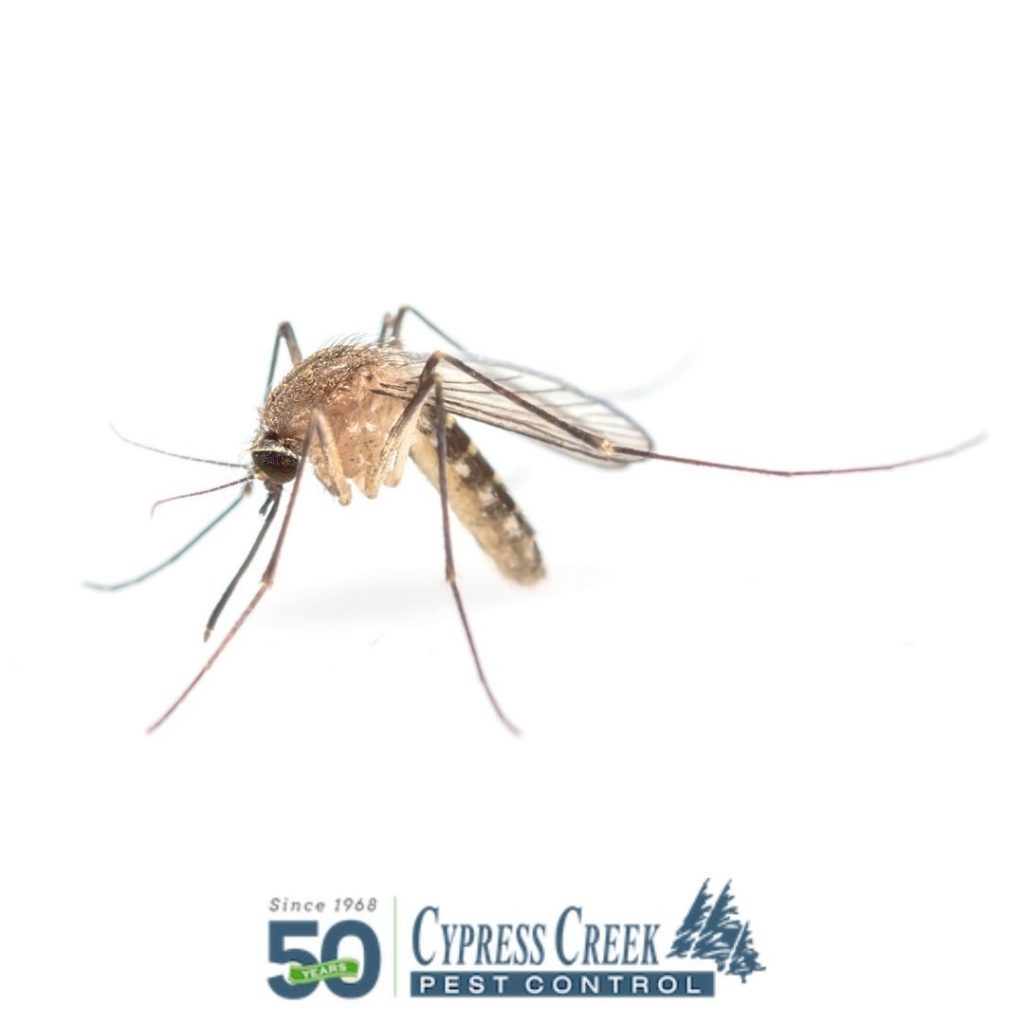
Why Essential Oils Won’t Stop Spring Mosquitoes
Warm weather brings blooming flowers, longer evenings, and the inevitable return of flying insects. Many homeowners immediately reach for natural repellents like citronella, peppermint, or lavender to keep their yards bug-free. The appeal is understandable. Plant-based solutions smell pleasant and feel safer than traditional chemical sprays.
However, relying entirely on plant extracts leaves a major gap in your pest control strategy. Spring mosquitoes are aggressive and driven by powerful biological instincts that a few drops of oil simply cannot override.
Understanding how these pests hunt and why certain treatments fail is the first step toward reclaiming your outdoor space. This guide breaks down the science of insect repellents and highlights the most effective methods to protect your family this season.
The Science of Mosquito Attraction
To understand why a remedy fails, you must first understand how the pest operates. Female mosquitoes require blood to develop their eggs, and they use highly sophisticated sensors to track down their targets.
Carbon Dioxide and Body Heat
Mosquitoes can detect carbon dioxide from up to 50 meters away. Every time you exhale, you leave a chemical trail that guides them directly to your location. Once they get closer, they rely on body heat, sweat, and specific skin odors to pinpoint where to land.
Essential oils attempt to mask these attractive scents. Strong odors from eucalyptus or lemongrass can temporarily confuse the insect’s receptors. The masking effect, however, is incredibly fragile.
The Limitations of Essential Oils
Natural extracts possess some repelling properties, but they lack the endurance required for meaningful outdoor protection.
High Volatility Means Short Lifespans
Essential oils are highly volatile. They evaporate rapidly when exposed to air and human body heat. While a synthetic repellent might offer six to eight hours of protection, most undiluted plant oils lose their effectiveness in less than an hour. If you forget to reapply a botanical mixture every 30 minutes, you instantly become a target.
Concentration and Regulation Issues
The pest control market is flooded with natural sprays that make bold promises. Because many essential oils are exempt from rigorous Environmental Protection Agency (EPA) efficacy testing, manufacturers can sell them without proving they actually work. Furthermore, applying highly concentrated plant oils directly to human skin can cause severe allergic reactions, meaning the safe dosage is often too low to deter hungry insects.
Proven Methods for Spring Mosquito Control
You need reliable, science-backed strategies to enjoy your backyard without constant irritation.
EPA-Approved Repellents
For personal protection, health organizations consistently recommend products containing specific, rigorously tested active ingredients.
- DEET: The gold standard for insect repellents, offering hours of continuous protection.
- Picaridin: A synthetic compound resembling piperine (found in black pepper) that is odorless, non-greasy, and highly effective.
- Oil of Lemon Eucalyptus (OLE): The only plant-derived ingredient recognized by the CDC. Note that refined OLE is chemically different and much more effective than unrefined essential oil.
Source Reduction and Yard Maintenance
The best defense is preventing the insects from breeding in the first place. A single female can lay hundreds of eggs in a bottle cap full of water. Walk around your property weekly and empty any stagnant water found in birdbaths, gutters, planters, and children’s toys. Keep your grass mowed short and trim back dense bushes where adult insects rest during the heat of the day.
Reclaim Your Yard This Season
Your outdoor spaces should be a place for relaxation, not a constant battle against biting pests. While essential oils smell wonderful and offer a fleeting barrier, they are ultimately insufficient against a determined swarm of spring mosquitoes.
Shift your strategy toward proven repellents and diligent yard maintenance. Check your property for standing water today, and stock up on EPA-approved protective sprays before the warm weather peaks. By relying on science rather than scents, you can ensure a comfortable and bite-free spring.
Google Rating
Based on 2502 reviews
Copyright © 2026 Cypress Creek Pest Control. All Rights Reserved.
Pest Control Marketing By Mktg4TheFuture