

- October 25, 2026
- By Caleb
- In ALL RESIDENTIAL, RESIDENTIAL
- 206
- 0

Quick answer: German cockroaches thrive indoors all winter because they depend entirely on human structures for warmth, food, and moisture — they can’t survive outdoor cold. Heated homes mimic their ideal tropical habitat (70–85°F) year-round, allowing continuous breeding. Professional pest management is the only reliable way to eliminate an established infestation, since DIY methods rarely
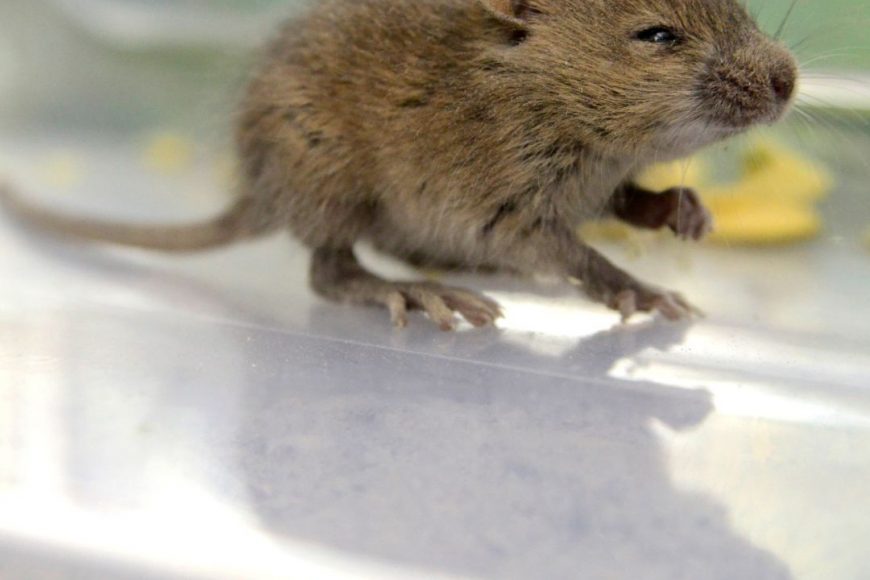
A mouse can squeeze through any gap roughly the width of a pencil—about 1/4 inch (6 mm) in diameter. This is possible because a mouse’s skull is the only truly rigid part of its body; if the skull fits through an opening, the rest of the flexible body can follow. Sealing gaps of this size

Quick answer: Ant lines in your kitchen form because ants follow pheromone trails laid down by scouts who found a food source. The direction, thickness, and path of the line reveal where the colony is nesting, what food is attracting them, and how large the infestation might be. Tracing the trail back to its source
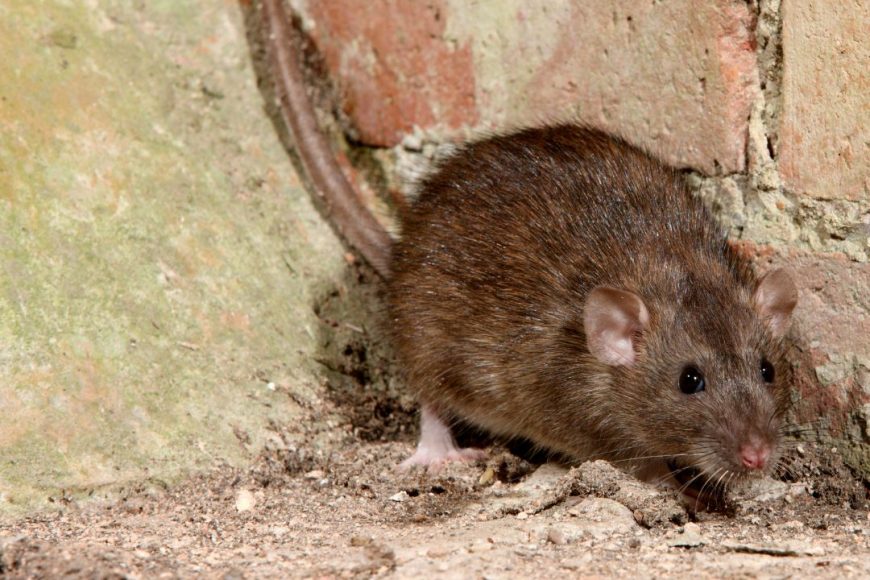
Quick answer: Rodents invade homes in autumn because falling temperatures, shrinking food supplies, and shorter daylight hours push mice and rats to seek warm, food-rich shelter indoors. Homes offer stable temperatures, hidden nesting spots, and easy access to food, making them ideal winter refuges for rodents preparing to survive the cold months ahead. Every year,


