




Fill out the form below and a Cypress Creek representative will be in touch with you about your pest control needs.
BLOG
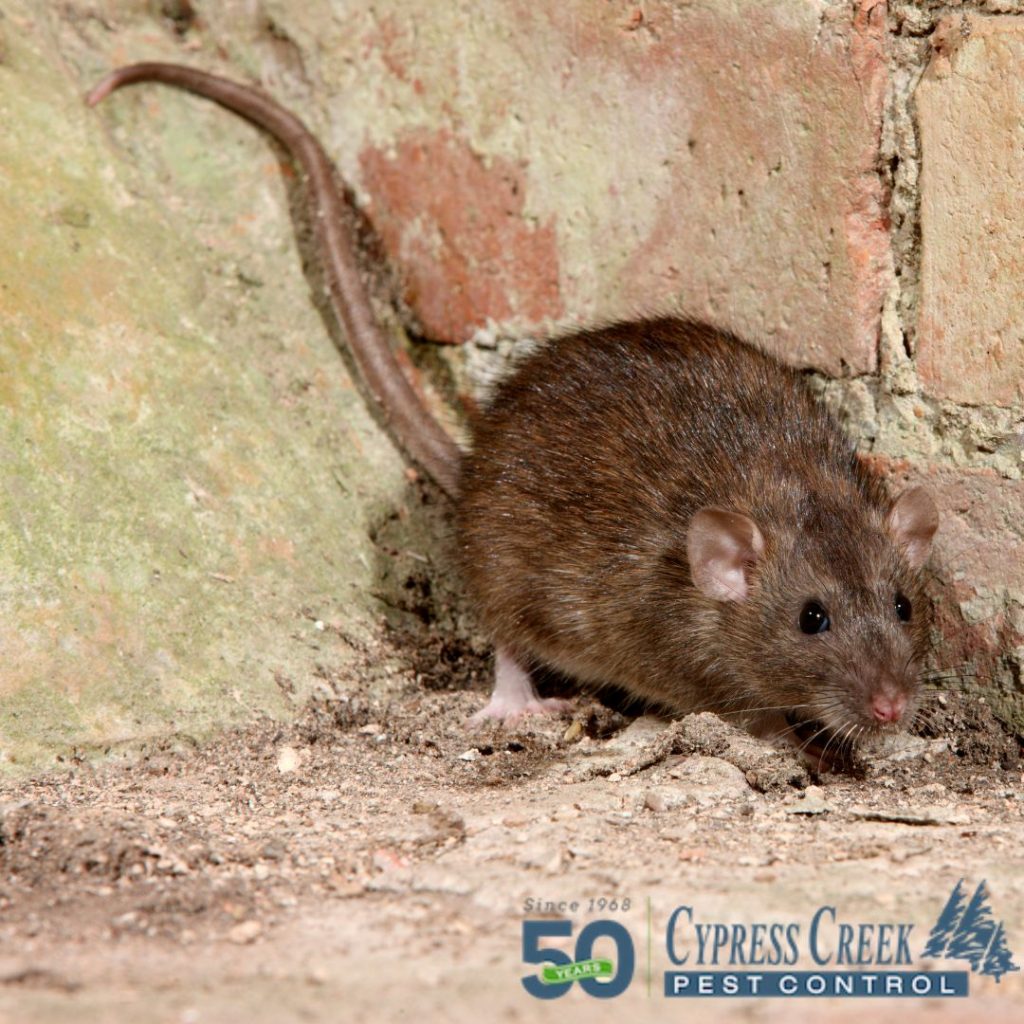
Why Rodents Invade Homes in Autumn (And How to Stop Them)
Quick answer: Rodents invade homes in autumn because falling temperatures, shrinking food supplies, and shorter daylight hours push mice and rats to seek warm, food-rich shelter indoors. Homes offer stable temperatures, hidden nesting spots, and easy access to food, making them ideal winter refuges for rodents preparing to survive the cold months ahead.
Every year, as leaves change color and temperatures drop, homeowners across the country notice the same unwelcome pattern: scratching in the walls, droppings in the pantry, and chewed wires in the attic. This isn’t a coincidence. Autumn marks peak season for rodent home invasions, and understanding why it happens is the first step toward keeping mice and rats out for good.
Rodents don’t choose to enter homes at random. Their behavior follows predictable seasonal patterns rooted in survival instincts. Once you understand what drives a mouse or rat to squeeze through a gap in your foundation, you can take targeted action to block their path before winter sets in.
This guide breaks down the biological and environmental triggers behind autumn rodent invasions, explains which species are most likely to show up, and offers a practical prevention checklist you can start using today.
Why Do Rodents Seek Shelter Indoors in the Fall?
Three factors converge each autumn to make homes irresistible to rodents: temperature drops, food scarcity, and reproductive timing.
Falling temperatures push rodents toward warmth
Mice and rats are warm-blooded, but they lack the thick fat reserves that many wild animals use to survive winter. As outdoor temperatures fall below 50°F, rodents instinctively seek insulated, temperature-stable environments. A home’s walls, attic, and basement provide exactly that. Unlike burrows or nests exposed to the elements, indoor spaces stay consistently warmer, which reduces the energy rodents need to expend to stay alive.
Natural food sources disappear
During spring and summer, rodents feed on seeds, insects, fruit, and vegetation readily available outdoors. As autumn progresses, these food sources become scarce. Crops are harvested, plants die back, and insect populations decline. Rodents respond by moving toward reliable food sources, and a stocked kitchen or pantry is far more dependable than a depleted field.
Rodents prepare nesting sites before winter
Autumn is also a critical period for rodent reproduction and nest-building. Species like the house mouse can produce a new litter every three weeks under favorable conditions, according to the U.S. Centers for Disease Control and Prevention (CDC). Finding a safe, hidden nesting site indoors, such as inside wall voids or behind stored boxes, allows rodents to continue breeding through the colder months without exposure to predators or weather.
Which Rodents Are Most Likely to Invade Homes in Autumn?
Not all rodents behave the same way. The species most commonly associated with fall home invasions include:
|
Rodent |
Common Entry Points |
Key Identifying Sign |
|---|---|---|
|
House mouse |
Gaps as small as ¼ inch, utility lines, foundation cracks |
Small droppings (¼ inch), musky odor |
|
Norway rat |
Basement vents, sewer lines, gaps under doors |
Larger droppings, gnaw marks on wood |
|
Roof rat |
Rooflines, attic vents, overhanging tree branches |
Nesting in high spaces, greasy rub marks along walls |
|
Deer mouse |
Foundation gaps, garages, sheds |
Known carrier of hantavirus, found more in rural areas |
House mice are the most frequent indoor invaders in the U.S. due to their small size and adaptability. Norway rats and roof rats tend to favor structures near sewer systems or trees, respectively, while deer mice are more common in rural and semi-rural regions.
How Do Rodents Get Into Homes?
Rodents are remarkably skilled at finding and exploiting small openings. A house mouse can squeeze through a gap the width of a pencil, while a rat can fit through an opening about the size of a quarter. Common entry points include:
- Gaps around utility pipes and cables
- Cracks in the foundation or siding
- Unscreened vents and chimneys
- Gaps under exterior doors
- Damaged weatherstripping around windows
Once inside, rodents tend to stay close to food and water sources, often nesting in wall cavities, attics, basements, or behind large appliances like refrigerators and stoves.
What Are the Risks of a Rodent Infestation?
Beyond the unsettling experience of sharing your home with uninvited guests, rodent infestations carry real health and property risks.
Health risks: According to the CDC, rodents can spread more than 35 diseases worldwide, either directly through contact with droppings, urine, and saliva, or indirectly through ticks, mites, and fleas that have fed on infected rodents. Hantavirus, salmonellosis, and leptospirosis are among the more serious conditions linked to rodent exposure.
Property damage: Rodents gnaw constantly to keep their incisors from overgrowing. This habit leads them to chew through electrical wiring, insulation, wood framing, and stored belongings. Chewed wiring is a recognized fire hazard, making early detection important for both health and safety reasons.
Rapid population growth: Because rodents reproduce quickly, a small autumn infestation can become a significant problem by winter’s end if left unaddressed.
How Can You Prevent Rodents From Entering Your Home in Autumn?
Prevention is far more effective, and less costly, than dealing with an active infestation. Choose a comprehensive approach if you live in an older home or a wooded area with higher rodent activity; opt for basic sealing and sanitation if your home is newer and well-maintained with no prior rodent history.
Seal potential entry points
Inspect your home’s exterior for gaps, cracks, or holes larger than a quarter inch. Use steel wool, caulk, or metal flashing to seal these areas, since rodents can chew through plastic, rubber, and wood.
Store food in airtight containers
Transfer pantry staples like flour, cereal, and pet food into sealed containers. Rodents are drawn to accessible food sources, and airtight storage removes one of their primary incentives for staying indoors.
Eliminate clutter and hiding spots
Reduce nesting opportunities by keeping basements, attics, and garages organized. Store boxes off the floor and avoid letting clutter accumulate, particularly in areas that go unchecked for long stretches.
Trim vegetation near the house
Overhanging tree branches and shrubs planted close to the foundation give rodents, especially roof rats, direct access to rooflines and upper-level entry points. Keep vegetation trimmed back at least a few feet from exterior walls.
Address moisture issues
Standing water and leaky pipes attract rodents in search of a water source. Fixing leaks and improving drainage removes another reason for rodents to linger.
Consider professional inspection
If you notice signs of rodent activity, such as droppings, gnaw marks, or scratching sounds, a licensed pest control professional can identify entry points you might miss and recommend targeted treatment.
Staying Ahead of Autumn’s Rodent Season
Rodent invasions in autumn follow a predictable rhythm tied to temperature, food availability, and breeding cycles. Recognizing this pattern gives homeowners a real advantage. By sealing entry points, securing food sources, and reducing clutter before the temperature drops, you can significantly lower the odds of an infestation taking hold this season.
If you’ve already noticed signs of rodent activity, don’t wait for the problem to grow. Early intervention, whether through DIY prevention or professional pest control, is always easier and less costly than managing an established infestation.
Frequently Asked Questions
Why do mice come into houses in the fall specifically?
Mice enter houses in the fall because dropping temperatures and disappearing outdoor food sources push them to seek warm, resource-rich shelter before winter arrives.
How much does professional rodent removal typically cost?
Costs vary widely depending on infestation severity and location, but homeowners should expect to pay for an initial inspection, exclusion work (sealing entry points), and follow-up treatments if needed. Contact local pest control providers for accurate quotes in your area.
Can rodents get into a clean house?
Yes. While cleanliness reduces food sources that attract rodents, a spotless home can still be invaded if structural gaps or entry points exist. Sealing the exterior is as important as sanitation.
Are ultrasonic pest repellers effective against rodents?
Scientific evidence on ultrasonic repellers is mixed, and many pest control experts consider physical exclusion (sealing gaps) and sanitation far more reliable than sound-based deterrents.
What’s the difference between a rodent problem and an infestation?
A single rodent sighting may indicate an isolated incident, while multiple droppings, gnaw marks, or sounds in walls across different areas of the home typically signal an established infestation requiring more thorough intervention.
Google Rating
Based on 2503 reviews
Copyright © 2026 Cypress Creek Pest Control. All Rights Reserved.
Pest Control Marketing By Mktg4TheFuture