



Fill out the form below and a Cypress Creek representative will be in touch with you about your pest control needs.
BLOG
Which Household Pests Are Dangerous to Your Pets?
Fleas, ticks, mosquitoes, cockroaches, and rodents pose the greatest risk to household pets, spreading diseases like Lyme disease, heartworm, and salmonella, or triggering allergic reactions. Spiders and certain ant species can also cause painful bites. Regular pest control, parasite prevention, and vet checkups are the best ways to protect cats and dogs from these threats.
Sharing your home with a dog or cat means sharing it with whatever else crawls, flies, or scurries in too. Most household pests are a nuisance for humans, but for pets, they can be a genuine health hazard. Fleas latch onto fur within seconds, ticks burrow in before you even notice them, and rodents leave behind droppings that carry disease.
Understanding which pests pose a real threat to your pet’s health, and knowing the warning signs, can help you catch problems early and keep your furry companion safe. This guide breaks down the most dangerous household pests for pets, the illnesses they can cause, and practical steps for prevention.
Why are some household pests more dangerous to pets than others?
Not every bug that sneaks into your house is a threat to your pet. Danger typically comes from pests that either carry transmissible diseases, deliver toxic or allergenic bites, or get ingested accidentally during grooming or play. Fleas and ticks top the list because they act as vectors, meaning they transfer pathogens directly into a pet’s bloodstream. Rodents and cockroaches, on the other hand, pose a risk mainly through contamination of food, water, or living spaces.
Which pests are most dangerous to dogs and cats?
Fleas: the itch that leads to bigger problems
Fleas are one of the most common parasites affecting pets in the United States. A single flea can bite a pet hundreds of times a day, and pets with flea allergy dermatitis can develop severe skin irritation, hair loss, and secondary infections from constant scratching.
Beyond the itch, fleas can transmit tapeworms if a pet accidentally swallows an infected flea during grooming. In large numbers, fleas can also cause anemia in young, small, or already-ill animals.
Ticks: silent carriers of serious disease
Ticks are arguably the most dangerous household pest for dogs, particularly in wooded or grassy areas. According to the Centers for Disease Control and Prevention (CDC), ticks can transmit Lyme disease, ehrlichiosis, and Rocky Mountain spotted fever, all of which affect dogs as well as humans.
Lyme disease in dogs can cause joint pain, lethargy, and in rare cases, kidney damage. Cats are less commonly affected by tick-borne illness, but outdoor cats are still at risk of tick bites and skin irritation.
Mosquitoes: the heartworm threat
Mosquitoes might seem like a minor annoyance, but they’re responsible for spreading heartworm disease, one of the most serious parasitic conditions in dogs. Heartworm larvae enter a pet’s bloodstream through a mosquito bite and mature into worms that live in the heart and lungs. Left untreated, heartworm disease can be fatal. Cats can contract heartworm too, though it’s less common and harder to diagnose.
Cockroaches: allergy and asthma triggers
Cockroaches carry bacteria such as salmonella and E. coli on their bodies, which can contaminate pet food and water bowls. For pets with sensitive respiratory systems, cockroach droppings and shed skin can also act as allergens, potentially worsening asthma-like symptoms in cats.
Rodents: disease through droppings and bites
Mice and rats can carry leptospirosis, salmonella, and hantavirus, all of which pose risks to pets that come into contact with rodent urine, droppings, or carcasses. Cats and dogs that hunt or scavenge are particularly vulnerable, since eating an infected rodent can transmit disease directly.
Spiders and ants: less common but still risky
Most household spiders are harmless to pets, but venomous species like the black widow or brown recluse can cause serious reactions, including tissue damage or muscle spasms, if they bite a curious dog or cat. Fire ants, common in the southern U.S., deliver painful stings that can cause swelling and, in rare cases, allergic reactions in sensitive pets.
Household pest risk comparison
|
Pest |
Primary Risk to Pets |
Common Symptoms |
|---|---|---|
|
Fleas |
Skin allergies, tapeworms, anemia |
Itching, hair loss, visible fleas |
|
Ticks |
Lyme disease, ehrlichiosis |
Lethargy, joint pain, fever |
|
Mosquitoes |
Heartworm disease |
Coughing, fatigue, weight loss |
|
Cockroaches |
Bacterial contamination, allergies |
Vomiting, diarrhea, respiratory irritation |
|
Rodents |
Leptospirosis, salmonella |
Fever, vomiting, jaundice |
|
Venomous spiders |
Tissue damage, muscle spasms |
Swelling, pain, lethargy |
What are the warning signs that a pet has been affected by a pest-borne illness?
Pets can’t tell you when something’s wrong, so it helps to watch for physical and behavioral changes. Common warning signs include:
- Excessive scratching, licking, or biting at the skin
- Visible bite marks, redness, or swelling
- Lethargy or sudden loss of appetite
- Vomiting or diarrhea
- Pale gums (a possible sign of anemia)
- Coughing or difficulty breathing
If your pet shows any of these symptoms, especially after time spent outdoors, contact your veterinarian promptly. Early diagnosis makes treatment far more effective for conditions like Lyme disease and heartworm.
How can you protect your pet from dangerous household pests?
Choose the right prevention strategy for your specific situation. If you live in a wooded or rural area, prioritize tick prevention, since exposure risk is highest there. If you’re in a warm, humid climate, focus on mosquito control to reduce heartworm risk.
A few practical steps make a meaningful difference:
- Use vet-approved parasite prevention. Monthly flea, tick, and heartworm preventatives remain the most effective defense.
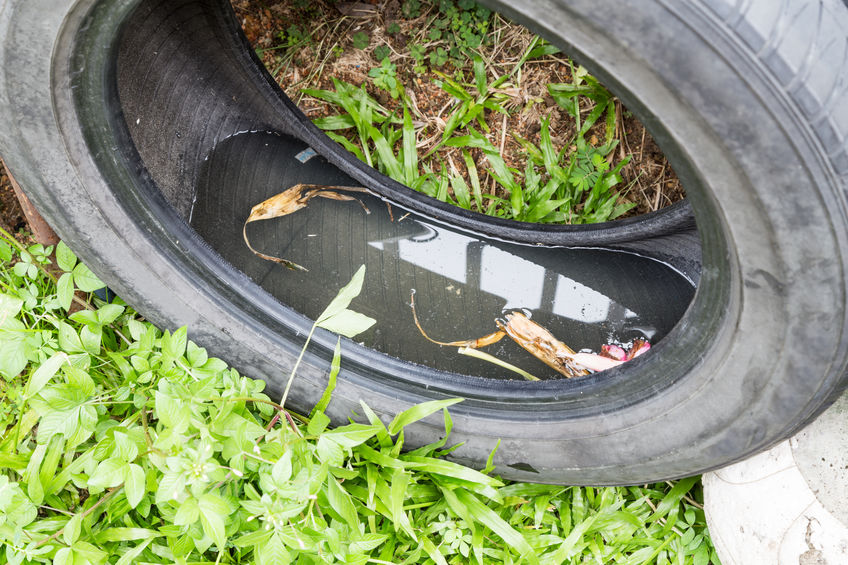
- Keep your yard tidy. Mow regularly, remove standing water, and clear debris where pests like to hide.
- Seal entry points. Rodents and cockroaches often enter through small gaps in walls, doors, or foundations.
- Store pet food securely. Airtight containers prevent both rodents and insects from contaminating food.
- Schedule regular vet checkups. Routine bloodwork can catch early signs of tick-borne or mosquito-borne disease before symptoms appear.
- Consider professional pest control. A licensed exterminator can treat infestations using methods that are safe for pets when applied correctly.
Keeping your pet safe starts with awareness
Household pests aren’t just an inconvenience. For dogs and cats, they represent a real and sometimes serious health risk. Fleas, ticks, and mosquitoes cause the most widespread harm, while rodents and cockroaches introduce risks through contamination rather than direct bites.
The good news is that most pest-related illnesses in pets are preventable. Consistent parasite prevention, a clean home environment, and regular veterinary care go a long way toward keeping your pet pest-free. If you notice unusual symptoms or suspect a pest-related issue, don’t wait; a quick trip to the vet can catch problems before they become serious.
Frequently asked questions
What is the most dangerous pest for dogs?
Ticks are generally considered the most dangerous pest for dogs because they transmit serious illnesses like Lyme disease, ehrlichiosis, and Rocky Mountain spotted fever.
Can fleas make my cat sick?
Yes. Fleas can cause allergic skin reactions, tapeworm infections, and in severe infestations, anemia, particularly in kittens.
How do I know if my dog has heartworm disease?
Common signs include coughing, fatigue, reduced appetite, and weight loss. A veterinarian can confirm heartworm disease through a blood test.
Are household spiders dangerous to pets?
Most spiders are harmless, but venomous species like black widows and brown recluses can cause serious reactions, including swelling and tissue damage, if they bite a pet.
How often should I use flea and tick prevention?
Most veterinarians recommend monthly flea, tick, and heartworm prevention year-round, though your vet can tailor a schedule based on your location and pet’s lifestyle.
Google Rating
Based on 2500 reviews
Copyright © 2026 Cypress Creek Pest Control. All Rights Reserved.
Pest Control Marketing By Mktg4TheFuture