




Fill out the form below and a Cypress Creek representative will be in touch with you about your pest control needs.
BLOG
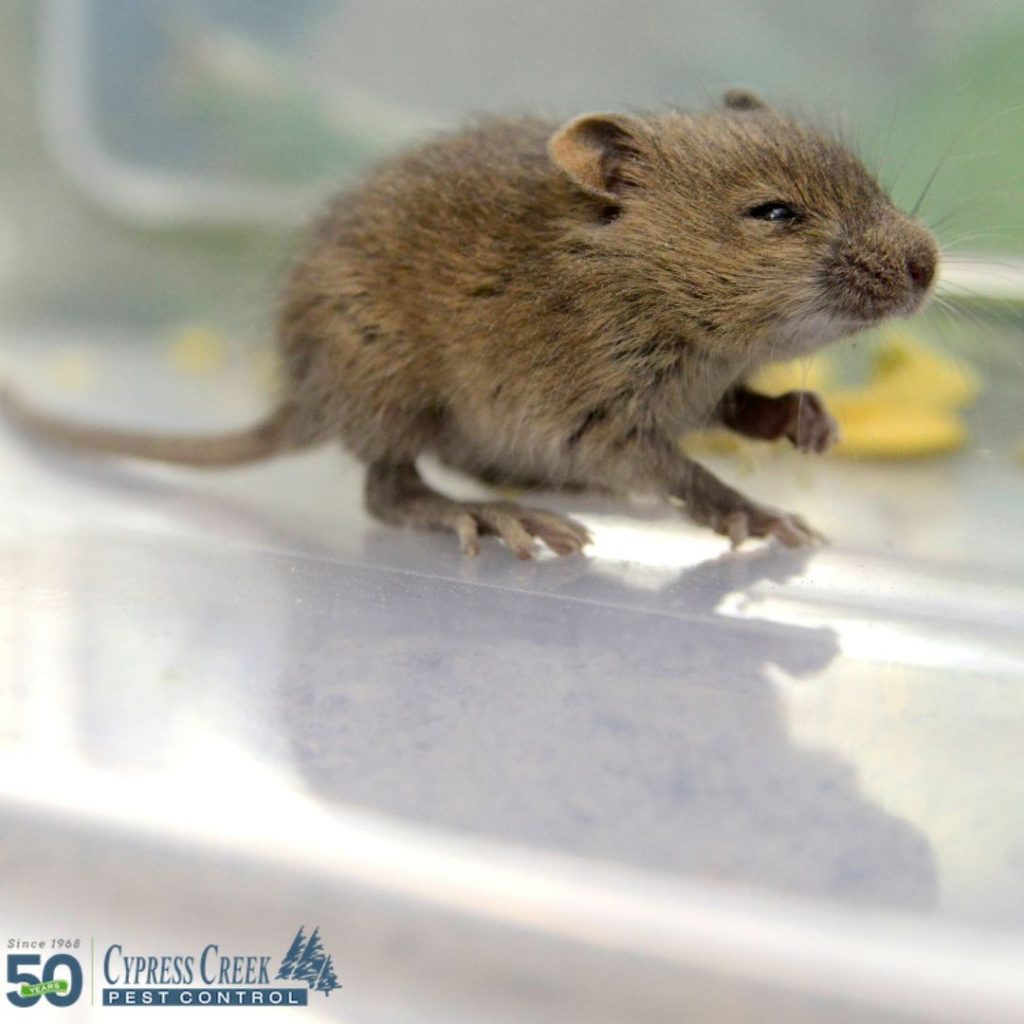
One Pest Sighting Can Close Your Restaurant
Restaurant pest prevention requires a combination of proper sanitation, structural maintenance, staff training, and licensed pest control services. A single pest sighting—captured on a phone and posted online—can damage a restaurant’s health rating and reputation permanently. Proactive prevention is far cheaper than crisis management.
A customer spots a cockroach near the dessert display. They don’t complain to the manager. They pull out their phone, take a photo, and post it before the check arrives.
By morning, the image has 400 shares. By afternoon, the health department calls.
This scenario plays out more often than restaurant owners care to admit. According to the National Restaurant Association, 97% of consumers say they would avoid a restaurant after reading a negative review about pests or cleanliness. That’s not a PR problem—it’s an existential one.
The good news? Pest prevention is manageable. The bad news? Most restaurants only act after a problem surfaces, not before. This guide covers the commercial prevention basics every food service operator should know, explains why licensed pest control is non-negotiable, and outlines how to protect both your health rating and your brand.
Why Restaurants Are a Prime Target for Pests
Restaurants offer pests everything they need: warmth, moisture, food residue, and shelter. Cockroaches thrive in kitchen grease traps. Rodents follow the scent of stored grain and oil. Flies breed in floor drains and dumpster areas. The structural complexity of a commercial kitchen—pipes, gaps behind equipment, suspended ceilings—creates dozens of entry points that are easy to miss during daily operations.
Seasonal pressure adds another layer. Rodent activity spikes in autumn when outdoor temperatures drop. Flies and fruit flies intensify during summer. A prevention plan that works in January may fall short by August without adjustments.
The risks extend beyond reputation. Pests carry bacteria like Salmonella, E. coli, and Listeria. Contaminated food preparation surfaces can trigger foodborne illness outbreaks, which in turn expose restaurant owners to significant legal liability.
The True Cost of a Pest Infestation in a Restaurant
Health code violations resulting from pest activity can lead to fines, mandatory closures, and permanent damage to a restaurant’s public record. Many local health departments publish inspection results online, meaning a failed inspection is searchable by anyone for years.
The financial fallout compounds quickly:
- Emergency pest control services cost significantly more than scheduled preventive treatments
- Temporary closure eliminates revenue while fixed costs continue
- Legal fees and settlements from foodborne illness claims can reach hundreds of thousands of dollars
- Reputation repair—if possible at all—requires sustained marketing investment
Proactive pest management, by contrast, typically costs a fraction of any single crisis response. Treating prevention as overhead rather than insurance is a costly misconception.
Commercial Pest Prevention Basics Every Restaurant Should Implement
How does sanitation reduce pest activity in commercial kitchens?
Sanitation is the foundation of any effective restaurant pest prevention program. Pests do not appear randomly—they follow food sources and harborage points. Eliminating both removes the incentive for pests to enter and stay.
Daily sanitation priorities:
- Clean grease traps and floor drains nightly, as these are prime breeding grounds for cockroaches and flies
- Remove all food debris from beneath and behind equipment at the end of each shift
- Empty and clean garbage receptacles before closing, and ensure lids seal properly
- Wipe down walls, baseboards, and shelving in storage areas at least weekly
Storage practices:
- Keep all dry goods in airtight, pest-resistant containers
- Store food at least 15cm (6 inches) off the floor and away from walls
- Apply FIFO (first in, first out) rotation to minimize aging inventory that attracts pests
What structural fixes prevent pests from entering a restaurant?
Sealing entry points is one of the highest-return actions a restaurant can take. Cockroaches can squeeze through a gap as thin as 1.5mm. Mice require less than 6mm. Most kitchens, after years of renovation and equipment changes, have far larger gaps than that.
Structural inspection checklist:
- Seal gaps around all utility penetrations (pipes, conduit, cables) with food-safe sealant or steel wool backed by caulk
- Install door sweeps on all exterior doors, including rear delivery entrances
- Check window screens for tears and repair or replace them seasonally
- Inspect loading dock areas and ensure self-closing mechanisms function correctly
- Replace damaged or missing drain covers immediately
How should restaurants manage outdoor and dumpster areas to deter pests?
The perimeter around a restaurant is often neglected but critically important. Dumpster areas, grease collection points, and outdoor dining zones all create conditions that attract pests close to your building.
Best practices for exterior management:
- Position dumpsters as far from entry doors as local regulations allow
- Keep dumpster lids closed at all times and schedule pickups frequently enough that overflow doesn’t occur
- Clear standing water from any low points near the building after rainfall
- Trim vegetation that touches or overhangs the building, since rodents use branches as runways
- Inspect grease collection containers for leaks and schedule regular servicing
Why Licensed Pest Control Is Essential—Not Optional—for Restaurants
Many operators attempt DIY pest control using over-the-counter products. This approach is understandable from a cost perspective, but it typically addresses symptoms rather than sources. Retail pesticides are also not formulated or registered for commercial food service environments. Using them in a kitchen can create compliance issues of their own.
Licensed pest management professionals bring several capabilities that in-house staff cannot replicate:
Integrated Pest Management (IPM): Licensed operators use IPM frameworks that combine monitoring, biological controls, and targeted chemical treatments—reducing pesticide use while improving outcomes. The U.S. Environmental Protection Agency (EPA) formally endorses IPM as the preferred approach for food facilities.
Regulatory knowledge: Health codes vary by city and state. A licensed pest control operator understands which treatments are permitted in food preparation zones and how to document service records in a format that satisfies health inspectors.
Early detection systems: Professionals install and monitor pheromone traps, bait stations, and activity monitors that flag emerging activity before it becomes an infestation.
Documentation: In the event of a health inspection, detailed service logs from a licensed provider demonstrate due diligence. This can be the difference between a citation and a closure.
Frequency recommendations: Most commercial kitchens benefit from monthly inspections at minimum. High-volume operations, or those with documented pest history, often require bi-weekly visits.
What should restaurant owners look for when choosing a pest control provider?
Not all pest control companies have equal experience in food service environments. When evaluating providers:
- Confirm the company holds a valid commercial pesticide applicator license in your state
- Ask specifically about experience with food service accounts and health department compliance
- Request sample service reports to verify documentation quality
- Confirm they use IPM principles and can explain their approach in plain terms
- Check whether they offer emergency response services, not just scheduled visits
Building a Culture of Pest Awareness Among Restaurant Staff
Pest prevention cannot rest entirely on ownership or external contractors. Kitchen staff, servers, and cleaning crews are on the floor daily. They notice things that a monthly inspector will not.
Train all staff to:
- Report pest sightings immediately and through a documented channel (not just verbally)
- Recognize early signs of activity: droppings, gnaw marks, grease trails, shed insect skins
- Understand which personal behaviors contribute to pest risk (eating in storage areas, leaving beverages uncovered, propping open exterior doors)
Some operations implement a formal pest log—a simple written or digital record where staff note any sightings or concerns. This record becomes valuable both for internal trend-spotting and for demonstrating diligence to health inspectors.
Protecting Your Health Rating: What Inspectors Are Looking For
Health inspectors assess pest-related conditions as a high-priority category in most scoring systems. A single live pest sighting during an inspection can result in a critical violation. Multiple violations of this type often trigger automatic re-inspection requirements or temporary closure orders.
Inspectors typically look for:
- Evidence of pest activity (droppings, cast skins, gnaw marks)
- Live or dead pests anywhere in the facility
- Conditions conducive to infestation (gaps, food debris, improper storage)
- Pest control service records and documentation
Maintaining a binder of licensed pest control service reports, staff training records, and corrective action logs positions your restaurant favorably—even if a minor issue is identified. It signals a system, not an oversight.
A Restaurant Pest Prevention Schedule That Actually Works
|
Frequency |
Action |
|---|---|
|
Daily |
Clean drains, remove garbage, clear food debris from equipment |
|
Weekly |
Inspect storage areas, check door sweeps and screens, review any staff-reported sightings |
|
Monthly |
Licensed pest control inspection and treatment; review service report |
|
Quarterly |
Full structural inspection for new gaps or entry points; review seasonal pest pressure changes |
|
Annually |
Comprehensive facility audit with pest control provider; update prevention plan |
The Bottom Line on Restaurant Pest Prevention
Pest prevention is not a one-time task—it is an ongoing operational commitment. Restaurants that treat it as such rarely face the kind of public crisis that others spend years recovering from.
The combination of rigorous daily sanitation, structural maintenance, staff training, and a relationship with a licensed pest control provider gives any food service operation a strong defensive position. Health inspectors recognize this. So do customers who read your reviews before booking a table.
If your restaurant doesn’t currently have a licensed pest management partner or a documented prevention protocol, that’s the most important next step. Contact a licensed commercial pest control provider in your area to schedule an initial inspection and establish a service cadence appropriate to your operation’s size and risk profile.
Frequently Asked Questions About Restaurant Pest Prevention
How often should a restaurant have professional pest control?
Most commercial kitchens should schedule licensed pest control inspections monthly at minimum. High-volume restaurants, or those in urban locations with elevated pest pressure, often benefit from bi-weekly visits. Your pest control provider can recommend a frequency based on your facility’s specific risk factors.
What pests are most common in restaurants?
Cockroaches, rodents (mice and rats), and flies are the most frequently cited pests in food service environments. Each requires different prevention and treatment strategies, which is one reason a licensed professional with food service experience is more effective than a generalist or DIY approach.
Can a restaurant be closed for pest activity?
Yes. Health inspectors can issue an immediate closure order if they observe live pests, significant evidence of infestation, or conditions that pose an imminent public health risk. In most jurisdictions, closure orders are also made public record, which compounds the reputational damage.
Are DIY pest control products safe to use in a commercial kitchen?
Most over-the-counter pesticide products are not registered for use in commercial food preparation areas and may violate health codes if applied there. Licensed pest control operators use products that are specifically approved for food service environments and apply them according to label requirements.
How do pests affect a restaurant’s health inspection score?
Pest-related findings are typically categorized as critical violations in commercial food service inspections. A single live pest sighting can result in a critical violation, mandatory re-inspection, or in severe cases, temporary closure. Documented pest prevention records can help demonstrate due diligence during inspections.
What is Integrated Pest Management (IPM) and why does it matter for restaurants?
Integrated Pest Management (IPM) is a science-based approach endorsed by the U.S. Environmental Protection Agency (EPA) that combines monitoring, sanitation, structural modification, and targeted treatments to control pests with minimal pesticide use. For restaurants, IPM reduces chemical exposure in food preparation areas while achieving better long-term outcomes than reactive, spray-based methods.
Google Rating
Based on 2502 reviews
Copyright © 2026 Cypress Creek Pest Control. All Rights Reserved.
Pest Control Marketing By Mktg4TheFuture