




Fill out the form below and a Cypress Creek representative will be in touch with you about your pest control needs.
BLOG
Bed Bug Myths vs. Facts: The Truth Behind the Bites
Few household issues trigger instant anxiety quite like the mention of bed bugs. These tiny pests have plagued humanity for thousands of years, yet they remain one of the most misunderstood insects in the modern world. If you wake up with itchy welts or spot a speck of rust on your sheets, your mind likely races to the worst-case scenarios.
Unfortunately, the internet is full of conflicting advice, old wives’ tales, and panic-inducing rumors. Misinformation can be dangerous here. Believing the wrong things about bed bugs can lead to ineffective treatments, wasted money, and infestations that grow out of control while you try to solve the problem with home remedies.
To protect your home and your sanity, you need accurate information. Understanding the behavior and biology of these pests is the most effective weapon you have against them. We are going to dismantle the most common misconceptions and replace them with the hard truths you need to know.
Myth 1: Bed bugs are too small to see with the naked eye
One of the most persistent rumors is that these pests are microscopic, like dust mites or bacteria. This belief leads many homeowners to ignore visible signs, assuming the bugs they see are something else because they are “too big” to be bed bugs.
The Fact: They are visible at all life stages
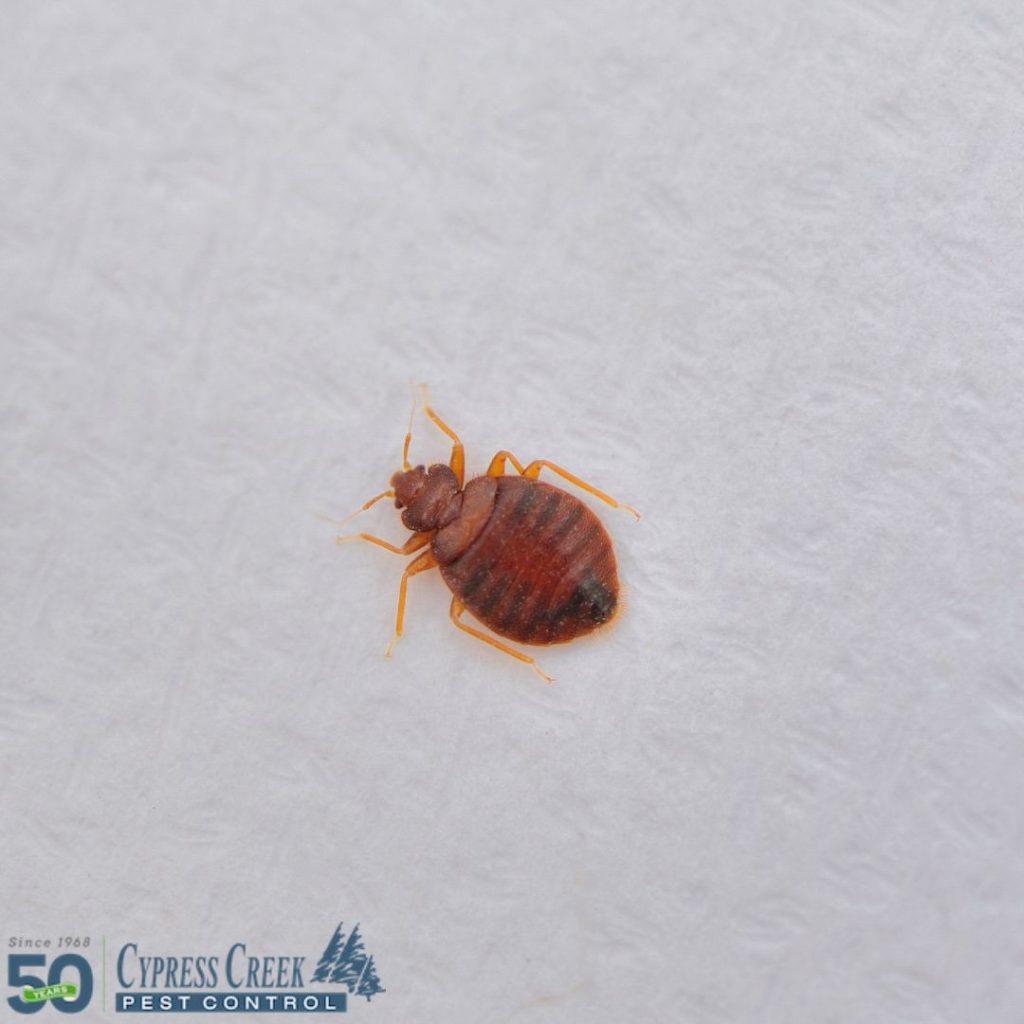
You absolutely can see bed bugs without a microscope. Adult bed bugs are roughly the size and shape of an apple seed. They are oval, flat, and reddish-brown. After a meal, they become rounder and darker in color.
Even the younger bugs, known as nymphs, are visible. They look like smaller, translucent versions of the adults. The eggs are tiny—about the size of a pinhead—and pearly white, but if you look closely, especially in the seams of a mattress, you can spot them. If you see a bug that fits this description, do not dismiss it.
Myth 2: Bed bugs only infest dirty homes
There is a massive social stigma attached to bed bugs. Many people believe that an infestation is a sign of poor hygiene or a dirty home. This shame often prevents people from seeking professional help early, allowing the problem to spread to neighbors or throughout an apartment complex.
The Fact: Bed bugs do not care about dirt
Bed bugs have very different motivations than cockroaches or ants. They are not looking for crumbs, spilled soda, or garbage. They are looking for blood.
You can have a pristine home that is vacuumed daily and still suffer an infestation. These pests are equal-opportunity invaders. They are just as likely to be found in a five-star luxury resort as they are in a budget motel. While clutter offers them more places to hide, making detection harder, cleanliness itself does not repel them.
Myth 3: You have to throw away all your furniture
The initial reaction to an infestation is often a desire to purge. People drag mattresses, sofas, and expensive furniture to the curb in a desperate attempt to get the bugs out of the house. This is not only expensive and heartbreaking but often unnecessary.
The Fact: Most furniture can be saved
In the vast majority of cases, your furniture can be treated. Professional exterminators use heat treatments or specialized chemical applications that can penetrate the hiding spots within your furniture.
Furthermore, dragging infested furniture through your house to get it outside can actually make the problem worse. As you move a mattress down the hall, you might shake eggs or live bugs onto the carpet in other rooms, spreading the infestation. Instead of throwing things away, consult a pest control professional first. Using high-quality encasements for mattresses and box springs is often a better investment than buying new furniture.
Myth 4: Bed bugs spread dangerous diseases
Given that they feed on human blood, it is logical to assume that bed bugs transmit pathogens like mosquitoes (malaria, Zika) or ticks (Lyme disease). The fear of illness adds an extra layer of terror to the experience of being bitten.
The Fact: They are not known disease vectors
Here is some good news: according to the CDC and other major health organizations, bed bugs are not known to spread disease to humans. While they carry pathogens in their bodies, they do not transmit them to people through bites.
However, this doesn’t mean they are harmless. The primary health risks are allergic reactions to their saliva, which can range from mild itching to severe swelling. Excessive scratching of the bites can also lead to secondary skin infections like impetigo or eczema. Additionally, the psychological toll—insomnia, anxiety, and stress—is a very real health impact.
Myth 5: Bed bugs can jump and fly
When people find a bug, they often test it. If it jumps or flies away, they might breathe a sigh of relief—or panic further. Understanding how these pests move is crucial for identification and containment.
The Fact: They are crawlers and hitchhikers
Bed bugs do not have wings, and their legs are not built for jumping like fleas or grasshoppers. They can only crawl. However, they can crawl surprisingly fast—roughly the speed of a ladybug.
Because they cannot fly or jump, they rely on “hitchhiking” to move from place to place. They crawl into luggage, purses, laptop bags, and folded clothing. This is why travel is the number one way bed bugs spread. They move from a hotel room to your suitcase, and then from your suitcase to your bedroom.
Myth 6: You can get rid of them with DIY home remedies
A quick online search will yield hundreds of “natural” cures for bed bugs, ranging from baking soda and dryer sheets to essential oils and kerosene. When people are desperate and want to save money, these solutions seem appealing.
The Fact: Bed bugs are incredibly resilient
Most home remedies are completely ineffective against a full-blown infestation. Bed bugs are tough. They have developed resistance to many common pesticides, and simple household items like baking soda will not kill them.
While some essential oils might repel them temporarily, it only pushes them deeper into your walls or into other rooms. Kerosene and rubbing alcohol are extremely dangerous fire hazards and should never be used on furniture. Effective elimination usually requires a combination of chemical and non-chemical treatments (like heat) administered by a professional who knows exactly where to look.
Myth 7: They only bite at night
The name “bed bug” implies a creature that only attacks while you are tucked in for the night. This leads some people to believe that if they leave the lights on or sleep during the day, they will be safe.
The Fact: They are opportunistic feeders
It is true that bed bugs are generally nocturnal. They prefer to come out between midnight and 5:00 AM when their host is in a deep sleep and releasing steady carbon dioxide.
However, they are driven by hunger, not the clock. If you work the night shift and sleep during the day, the bed bugs will adjust their schedule to feed when you are available. Leaving the lights on will not stop them if they are hungry. They are attracted to body heat and the carbon dioxide you exhale, regardless of the lighting or the time of day.
How to actually spot an infestation
Now that we have cleared up what isn’t true, you need to know what to look for. Detecting an infestation early is the key to easier treatment. Do not wait until you see a live bug. Look for these signs:
- Dark Spots: Look for small, dark fecal spots on your sheets, mattress seams, or pajamas. It looks like a marker tip touched the fabric.
- Blood Stains: Small smears of blood on your pillowcases can occur if you accidentally crush a bug while rolling over.
- Shed Skins: As nymphs grow, they shed their exoskeletons. These look like hollow, pale yellow shells.
- Musty Odor: A heavy infestation often produces a sweet, musty smell, often compared to rotting raspberries or coriander.
Frequently Asked Questions
Can bed bugs live in carpets?
Yes. While they prefer the bed because it is close to their food source, they will hide in carpet fibers, especially near the baseboards or under the bed frame. Vacuuming carpets frequently is an important part of the control process.
How long can bed bugs live without feeding?
This is one of the scariest facts about these pests. Under the right temperature conditions, adult bed bugs can survive for several months—sometimes up to a year—without a blood meal. This is why “starving them out” by leaving a room empty for a few weeks rarely works.
Do bed bugs bite dogs and cats?
Bed bugs prefer human blood, as our skin is easier to penetrate and we have less hair. However, if humans are not available, or if the infestation is severe, they will bite family pets.
Taking control of the situation
Realizing you might have a pest problem is stressful, but knowledge is your best defense. By separating the myths from the reality, you can avoid wasting time on ineffective DIY methods and focus on solutions that work.
If you suspect you have bed bugs, the most important step is to remain calm. Do not throw out your furniture and do not start spraying random chemicals. Contact a licensed pest control professional for an inspection. They can identify the scope of the problem and create a treatment plan that ensures these unwanted guests leave your home for good.
Google Rating
Based on 2502 reviews
Copyright © 2026 Cypress Creek Pest Control. All Rights Reserved.
Pest Control Marketing By Mktg4TheFuture